
Experiencing a basement flood can be overwhelming, especially after a heavy storm. Water damage in the basement can lead to structural issues, mold growth, and damage to personal belongings. Having a clear, step-by-step plan for basement flood cleanup can save time, reduce costs, and protect your home from long-term damage. This guide provides the ultimate checklist to follow after a basement flood.
Assess the Damage and Ensure Safety
Before you enter a flooded basement, it’s crucial to prioritize safety. Water can mix with electrical systems, creating a high risk of electrocution. If the water level is significant, avoid entering until power is turned off by a qualified electrician. Wear protective clothing such as waterproof boots, gloves, and masks to prevent exposure to contaminated water, which may carry bacteria, chemicals, or sewage.
Begin by inspecting the basement from a safe distance. Identify areas of standing water, damage to structural components, and vulnerable belongings. Take photographs of the damage for insurance claims. Understanding the extent of flooding will help you plan the cleanup efficiently.
Remove Standing Water
The first step in basement flood cleanup is removing standing water. Use a sump pump, wet/dry vacuum, or buckets depending on the volume of water. For deep floods, professional water removal services may be necessary. Removing water quickly prevents further structural damage and reduces the risk of mold growth.
Ensure that water is disposed of safely, avoiding areas where it could cause additional damage or contamination. Keep in mind that heavy, prolonged water can weaken floors and walls, so proceed with caution.
Salvage Belongings
Once water is removed, focus on salvaging your belongings. Separate items into categories: items that can be cleaned and restored, and items that are irreparably damaged. Dry salvageable items promptly to prevent mold and mildew.
For documents, photographs, and books, place them in a dry area and use absorbent materials like paper towels to soak up moisture. Electronics should never be turned on while wet; consult a professional for proper restoration. Furniture made from wood or particleboard may warp, so dry and inspect them carefully.
Clean and Disinfect the Basement
After removing water and salvaging items, thoroughly clean the basement. Use a mixture of water and detergent to scrub walls, floors, and any surfaces that came in contact with floodwater. For areas affected by contaminated water, disinfect using bleach or an EPA-approved cleaner to eliminate bacteria, viruses, and mold spores.
Pay special attention to corners, cracks, and spaces behind appliances or furniture. These areas can harbor moisture and lead to future problems if not cleaned properly. Proper cleaning is a critical step in basement flood cleanup to restore a safe and healthy environment.
Dry the Area Completely
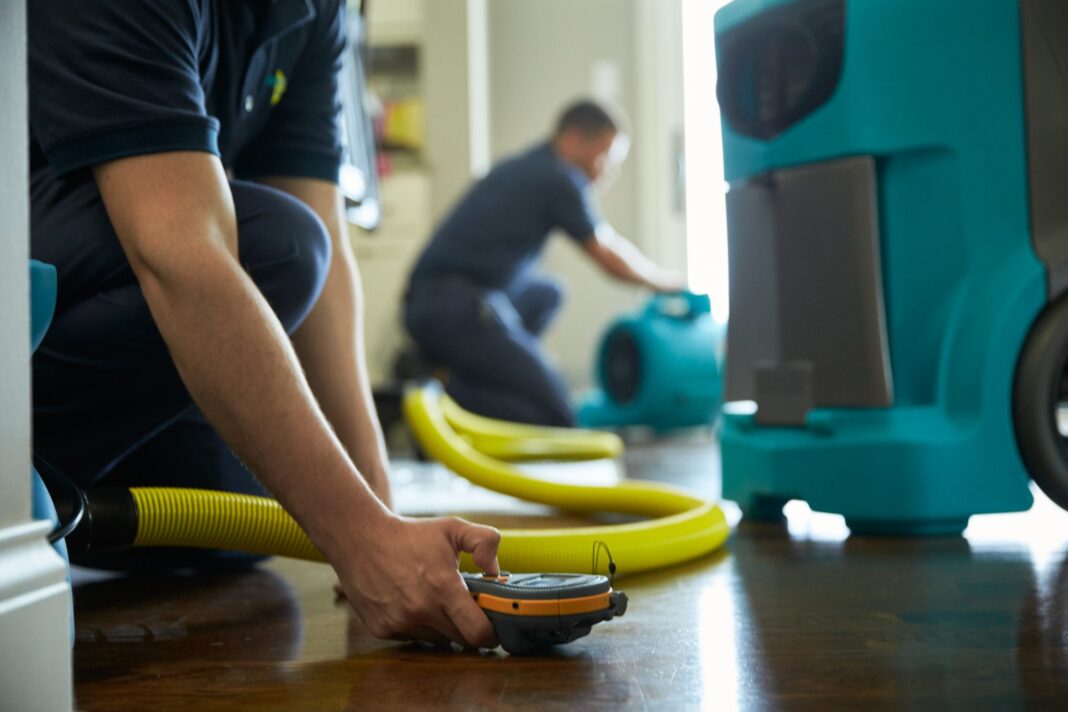
Drying is one of the most important steps in preventing long-term damage. Use fans, dehumidifiers, and open windows (if weather permits) to speed up the drying process. In some cases, industrial-grade drying equipment may be necessary, especially after severe flooding.
Monitor humidity levels to ensure the basement is thoroughly dried. Even small pockets of moisture can lead to mold growth within 24 to 48 hours. Be patient, as proper drying may take several days depending on the severity of the flood.
Inspect for Mold and Structural Damage
Mold can develop quickly after a flood and pose serious health risks. Inspect walls, floors, and ceilings for signs of mold, such as discoloration or a musty smell. If mold is detected, treat it immediately using proper cleaning solutions or consult a professional remediation service.
Structural damage should also be assessed. Check for cracks in the foundation, warping of walls, or damage to beams and flooring. Early identification of structural issues allows for timely repairs and prevents further complications.
Dispose of Damaged Items Safely
Items that cannot be salvaged must be disposed of properly. This includes saturated carpets, insulation, and furniture beyond repair. Separate debris from household waste and follow local regulations for disposal.
Hazardous materials, such as chemicals or electronics contaminated by floodwater, should be handled with care and disposed of at appropriate recycling centers. Proper disposal not only keeps your basement safe but also prevents environmental hazards.
Prevent Future Flooding
Once the cleanup is complete, consider measures to prevent future basement flooding. Inspect gutters and downspouts to ensure proper water drainage away from the foundation. Seal cracks in the foundation and walls to block water entry.
Installing a sump pump or improving the basement’s drainage system can also reduce the risk of future floods. Regular maintenance of your home’s exterior and plumbing system is key to minimizing damage from storms.
Monitor for Long-Term Effects
Even after thorough cleanup, monitor your basement for lingering effects. Check for moisture accumulation, unusual odors, or signs of mold. Address any minor issues immediately to prevent long-term damage.
Keep records of cleanup efforts, repairs, and insurance claims. Having detailed documentation can be valuable if future issues arise or for proving claims to your insurance provider.
Know When to Call Professionals
Some flooding situations may require professional help. If water has entered electrical systems, if mold growth is extensive, or if structural damage is significant, it is safer to hire experts. Professional restoration services have specialized equipment and expertise to ensure a safe and thorough basement flood cleanup.
Attempting to manage severe flooding alone can be dangerous and may lead to incomplete restoration or further damage. Investing in professional assistance can save time, money, and stress in the long run.
Conclusion
Basement floods after a storm can be daunting, but a clear, organized approach can make cleanup manageable. From assessing safety and removing water to cleaning, drying, and preventing future damage, every step is essential in restoring your home. Following this ultimate checklist for basement flood cleanup ensures that your basement is safe, dry, and ready for use again. Taking immediate action, monitoring for long-term issues, and knowing when to call professionals are key components in successfully recovering from basement flooding.
Proper preparation and response not only protect your property but also provide peace of mind after a storm. By adhering to this checklist, homeowners can minimize damage, prevent health hazards, and maintain the integrity of their homes for years to come.