
Emergency Flood Cleaning: Common Mistakes to Avoid for a Successful Recovery
Floods are among the most destructive natural disasters, leaving behind damaged homes, businesses, and communities. The aftermath of a flood can be overwhelming, and the cleanup process is often physically and emotionally taxing. Effective emergency flood cleaning is essential to restore properties safely and efficiently, but there are common mistakes that many homeowners and business owners make during recovery. Understanding these pitfalls can save time, money, and prevent long-term damage.
Understanding the Importance of Emergency Flood Cleaning
After a flood, water can seep into floors, walls, and furniture, creating a breeding ground for mold, bacteria, and structural deterioration. Immediate and proper emergency flood cleaning is critical to minimize these risks. The longer water and moisture remain, the greater the likelihood of permanent damage and health hazards. Professional cleaners often emphasize that the recovery process is not just about removing water but also ensuring that the property is disinfected and fully dried.
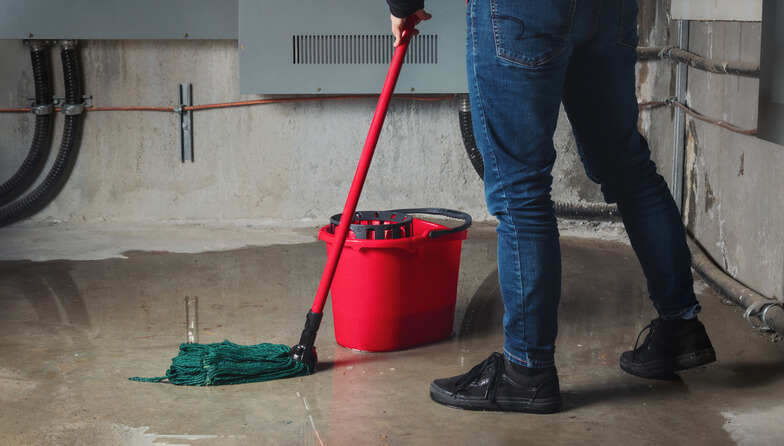
Many people underestimate the complexity of flood cleanup. While it may seem straightforward to mop up water and remove debris, effective flood cleaning involves multiple steps including water extraction, sanitation, drying, and assessment of structural integrity. Skipping any of these steps can result in ongoing problems like mold infestations, unpleasant odors, and compromised safety.
Mistake 1: Delaying Cleanup
One of the most common mistakes in emergency flood cleaning is procrastination. Waiting too long to address the flood can allow water to seep deeper into building materials, causing irreversible damage. Carpets, hardwood floors, and drywall are particularly vulnerable. Delays also increase the risk of mold growth, which can begin within 24 to 48 hours after water exposure.
Immediate action is critical. Extracting standing water as soon as possible and beginning the drying process with dehumidifiers and fans significantly reduces the chance of long-term structural issues. Homeowners should prioritize calling professional emergency flood cleaning services right after a flood, especially if the water is contaminated with sewage or chemicals.
Mistake 2: Ignoring Safety Precautions
Flooded areas can be extremely dangerous, yet some attempt emergency flood cleaning without taking proper safety measures. Electrical hazards are a major concern, as water can come into contact with outlets, wiring, and appliances. Slippery surfaces and unstable structures also pose significant risks.
Before entering a flooded property, it is essential to turn off electricity at the main breaker and wear protective gear such as gloves, waterproof boots, and masks. If there is structural damage, it is safer to wait for professional assessment before entering certain areas. Ignoring safety can lead to accidents, injuries, and further property damage.
Mistake 3: Underestimating Water Contamination
Not all floodwater is clean. In fact, floodwater is often contaminated with bacteria, sewage, chemicals, and debris. Treating it as ordinary water is a serious mistake during emergency flood cleaning. Exposure to contaminated water can cause infections, allergic reactions, and other health complications.
Proper cleanup involves disinfecting all surfaces, furniture, and personal items that came into contact with floodwater. Professionals use specialized antimicrobial solutions to ensure that bacteria and pathogens are eliminated. Attempting to clean without appropriate disinfectants may remove visible dirt but leave harmful contaminants behind.
Mistake 4: Skipping Drying and Dehumidification
Many people think that once water is removed, the cleanup is complete. This is a dangerous misconception. Moisture can remain trapped in walls, floors, and furniture, leading to mold growth and structural weakening. Skipping the drying and dehumidification step is a common error in emergency flood cleaning.
Using high-powered fans, industrial dehumidifiers, and moisture meters ensures that every hidden area is completely dry. Walls may need to be opened, and carpets may require professional cleaning or removal. Proper drying prevents further damage, reduces mold risk, and restores a safe living environment.
Mistake 5: Improper Handling of Damaged Belongings
Floods often damage personal property, and hasty decisions can lead to unnecessary losses. Many homeowners make the mistake of discarding items that might be salvageable or, conversely, keeping items that are beyond recovery. In emergency flood cleaning, it is important to assess the condition of belongings carefully.
Items such as books, electronics, and upholstered furniture may require specialized cleaning or drying methods. Professional cleaners can often restore valuable items that seem irreparably damaged. Trying to handle everything without expertise can lead to permanent loss of sentimental or expensive possessions.
Mistake 6: Overlooking Insurance and Documentation
Flood damage often involves insurance claims, yet some homeowners begin emergency flood cleaning before documenting the damage. This can lead to complications with claims or inadequate compensation. Proper documentation includes taking photographs, listing damaged items, and recording the extent of structural damage before cleanup begins.
Insurance adjusters may require evidence of the flood’s impact, and premature cleanup without documentation can reduce claim success. Maintaining a careful record ensures that homeowners can recover costs for repairs and replacements effectively.
Mistake 7: Neglecting Professional Help
Many people assume they can handle flood cleanup alone, but this is rarely practical for severe damage. Professional emergency flood cleaning services have the equipment, expertise, and experience to restore properties efficiently and safely. Attempting DIY cleanup without professional guidance can prolong recovery, increase costs, and compromise safety.
Professionals use specialized water extraction equipment, industrial drying systems, and disinfectants that are not readily available to homeowners. Their experience allows them to identify hidden damage, prevent mold growth, and restore the property to pre-flood condition more effectively than untrained efforts.
Mistake 8: Not Addressing Mold Early
Mold is one of the most common long-term consequences of flooding. Failing to address it promptly is a serious mistake in emergency flood cleaning. Mold spores spread quickly in moist environments and can cause health problems including allergies, respiratory issues, and infections.
Effective mold prevention involves thorough drying, cleaning, and monitoring of moisture levels. Professionals often use antifungal treatments and specialized cleaning methods to prevent mold from taking hold. Ignoring mold during early recovery increases repair costs and endangers residents’ health.
Mistake 9: Inadequate Ventilation
After removing water, ventilation is crucial for proper drying and odor control. A common mistake during emergency flood cleaning is leaving spaces closed or poorly ventilated. This traps moisture and creates conditions for mold and bacteria growth.
Opening windows, using exhaust fans, and strategically placing dehumidifiers ensures that air circulates effectively. Proper ventilation accelerates drying, eliminates musty odors, and reduces the risk of secondary damage.
Mistake 10: Overlooking Structural Inspections
Finally, many property owners forget to check for structural damage during flood recovery. Water can weaken foundations, walls, and floors, creating hidden hazards. Skipping this inspection is a critical error in emergency flood cleaning.
Engaging professionals for a thorough assessment can identify weaknesses and prevent accidents. Structural repairs may be necessary before restoring furniture, flooring, and other elements of the property. Early detection prevents long-term damage and ensures safety.
Conclusion
Emergency flood cleaning is a complex and demanding process, and mistakes can have lasting consequences. Delays, lack of safety measures, improper handling of contaminated water, and failure to dry or ventilate spaces are just a few of the common errors that can derail recovery efforts. Professional services provide the knowledge, equipment, and strategies necessary to restore properties efficiently while minimizing health risks and long-term damage.